AI in manufacturing breaks down long before models are deployed. The issue is almost always the same: production, quality, and supply chain data were never designed to work together.
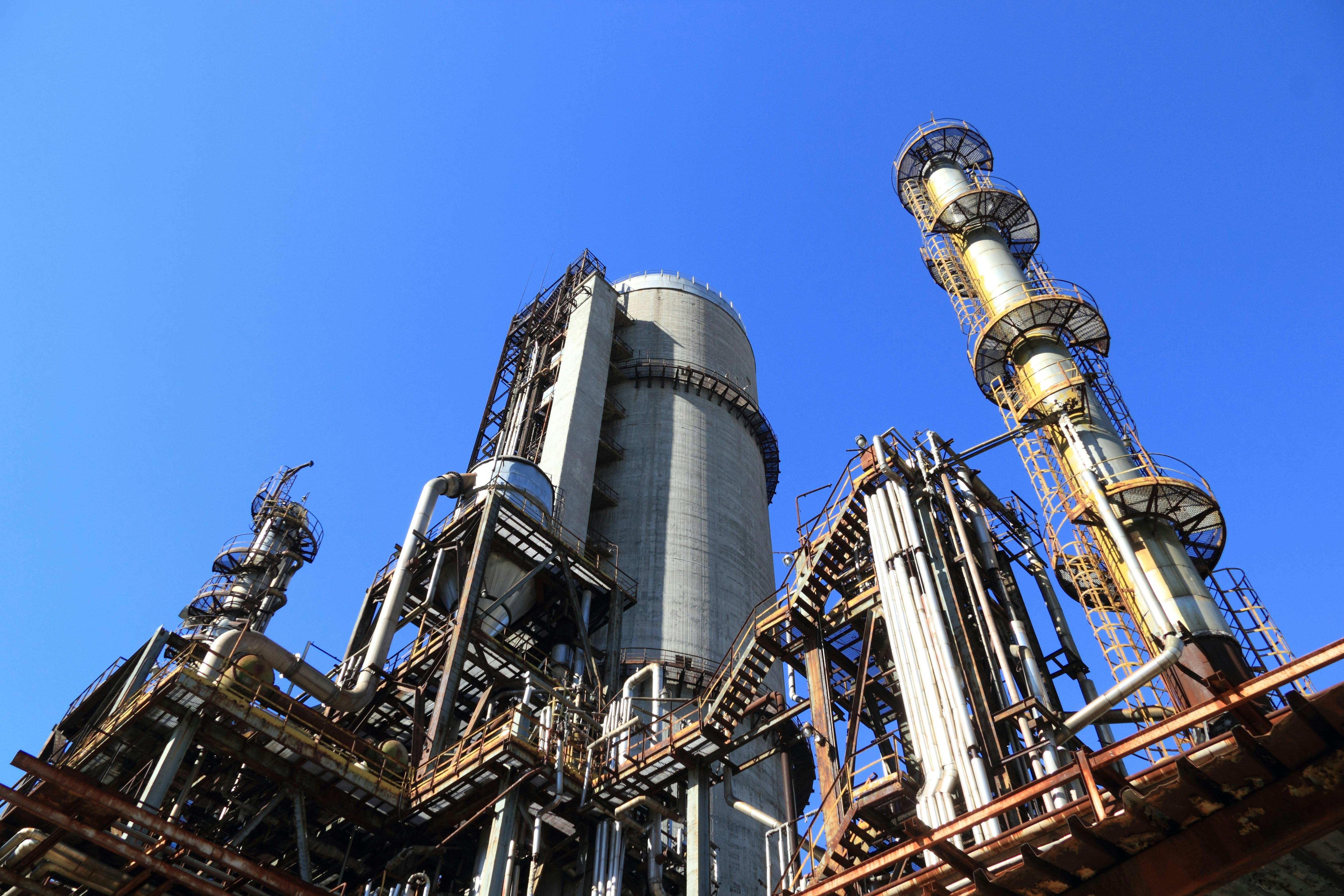
What’s Actually Slowing AI Down on the Plant Floor
Manufacturers are pursuing AI to improve:
Equipment uptime and maintenance planning
Line performance and OEE
Quality consistency and traceability
Forecasting across demand, supply, and inventory
But most environments still rely on:
Machine and sensor data locked in local systems
Paper-based logs and operator-entered records
Spreadsheet-driven reporting with inconsistent definitions
Disconnected MES, quality, ERP, and supply chain platforms
Legacy databases that struggle with volume, latency, and reliability
These constraints make it hard to trust analytics — and nearly impossible to operationalize AI.

Manufacturing Models Face Different Data Challenges
The core data problem is consistent, but it shows up differently depending on how manufacturing is organized.

Discrete Manufacturing
Machine data silos and legacy MES platforms limit visibility across lines and plants.
Focus: Predictive maintenance, OEE analytics, digital work instructions
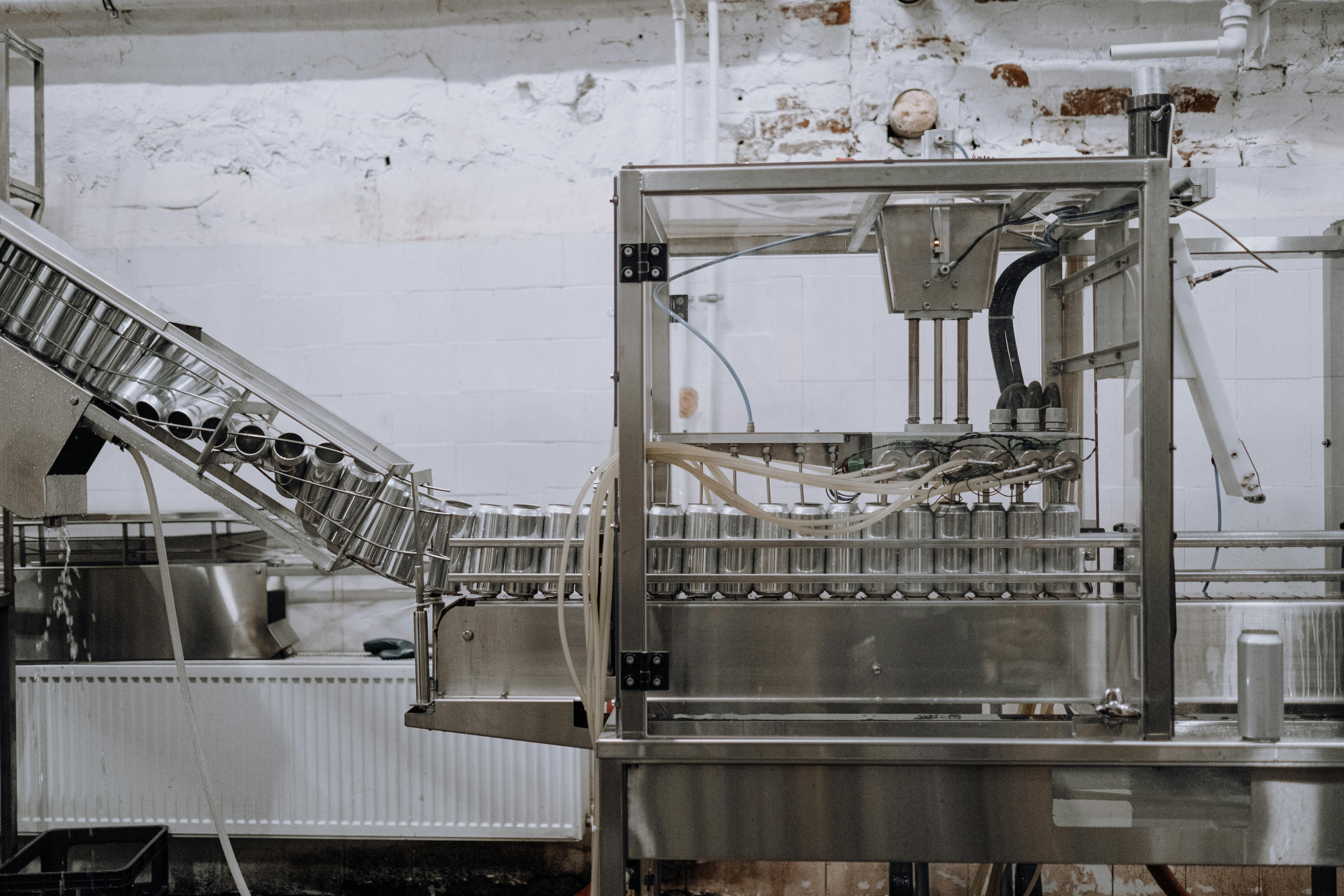
Process Manufacturing
Batch data and quality records often live in separate systems.
Focus: Yield optimization, batch consistency, compliance reporting
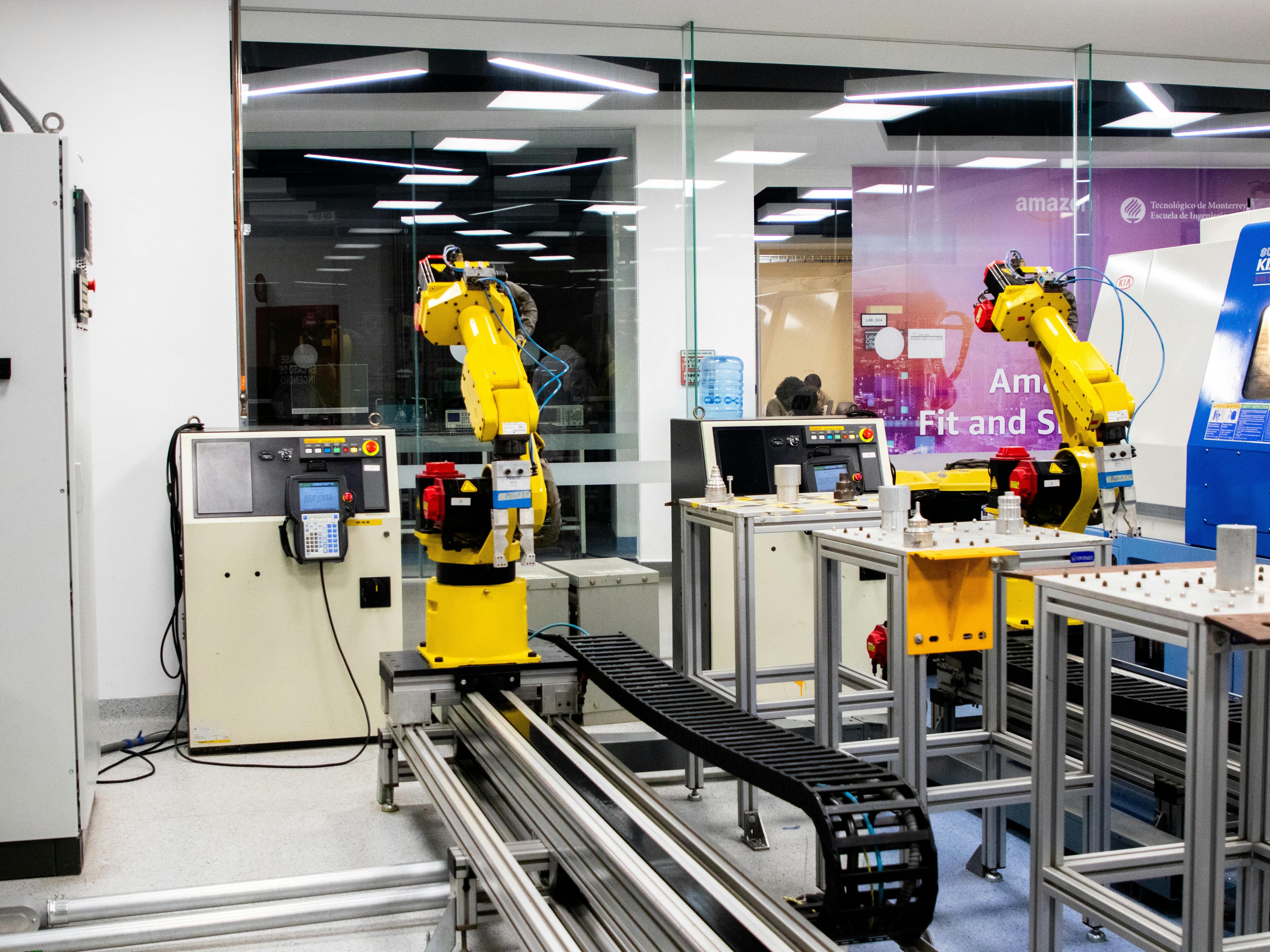
Consumer Goods
Traceability, quality, and supplier data span internal systems and external partners.
Focus: End-to-end visibility, QA automation, compliance
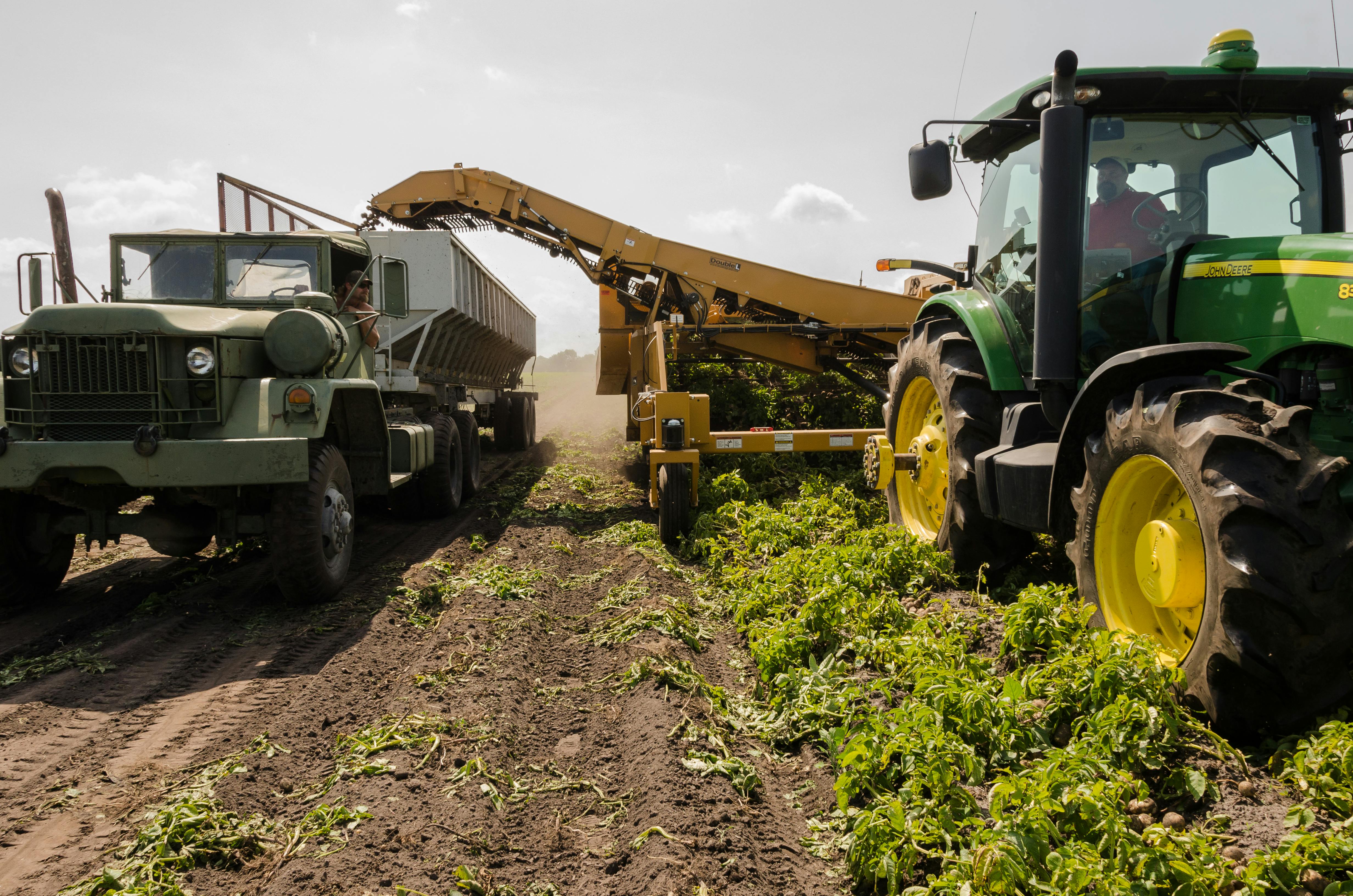
Agricultural Production
Equipment, climate, geospatial, and operator data are rarely unified.
Focus: Yield prediction, climate and soil analytics
Scale Manufacturing with the power of Data and AI
The playbook manufacturing leaders use to design data environments for analytics, automation, and AI at scale.
Join a hands-on technical session to see how those architectures are applied in real manufacturing environments.

A practical guide focused on how manufacturers actually operate.
Data architecture patterns for MES, SCADA, ERP, and IoT systems
How to unify production, quality, and supply chain data
What’s required to support predictive maintenance, OEE, and AI use cases
A working session using real manufacturing scenarios to show:
Where AI projects break down in production environments
How data architecture impacts uptime, quality, and throughput
What scalable manufacturing platforms look like on Databricks


TribalScale helps manufacturers modernize how data is captured, unified, and used — so analytics, automation, and AI can scale on Databricks.






How TribalScale Supports Manufacturing Modernization Through Databricks
TribalScale works with manufacturers to modernize production, quality, and supply chain data using Databricks — combining proven manufacturing data architecture with a platform built to scale analytics and AI in real production environments.

100+
99.9%
pipeline uptime across global implementations
20+
TribalScale is trusted by global brands when there’s no room for compromise.