News That Made AI Real in 2025
The Intelligence Boom | 2025’s Biggest AI Moments | A TribalScale Report
2025 was the year artificial intelligence broke from the confines of experimentation and entered a phase of unbounded acceleration.
It was the year intelligence became infrastructure, AI agents became teammates, and global leaders — from governments to enterprises — reoriented their strategies around a new technological reality.
Historic breakthroughs like DeepSeek’s ultra-efficient frontier model, OpenAI’s GPT-5 unified architecture, trillion-dollar AI infrastructure bets, and the widespread operationalization of AI agents created a global innovation whiplash. Economic indicators confirmed the shift: AI and data center investment accounted for nearly all U.S. GDP growth in early 2025.
This report outlines the 10 defining moments of 2025, analyzes what has permanently changed, and presents TribalScale’s 2026 AI Readiness Framework — a strategic model for enterprises ready to operationalize AI with confidence, safety, and measurable ROI.
The 10 Hero AI Moments of 2025
#1: DeepSeek-R1: The $6M Shockwave That Redefined AI Competition
January 2025 delivered the first seismic event of the year: DeepSeek-R1, a Chinese-developed AI model trained for just $6 million, delivered near–GPT-4 and OpenAI o1-level performance on key benchmarks, at a fraction of the usual compute. (FDD)
Within days:
DeepSeek’s app surged to the top of the U.S. App Store rankings, briefly overtaking ChatGPT. (TechInformed)
Commentators and policymakers dubbed it “AI’s Sputnik moment”, highlighting its geopolitical significance. (FDD)
Markets reacted: Nvidia lost around 17–18% of its market value in the immediate aftermath as investors reassessed the assumption that only massive spending can win the AI race. (Ifri)
DeepSeek’s message was clear:The frontier is no longer gated by massive budgets. Efficiency is the new weapon.
#2: GPT-5 & GPT-5.1: The Arrival of Unified Intelligence
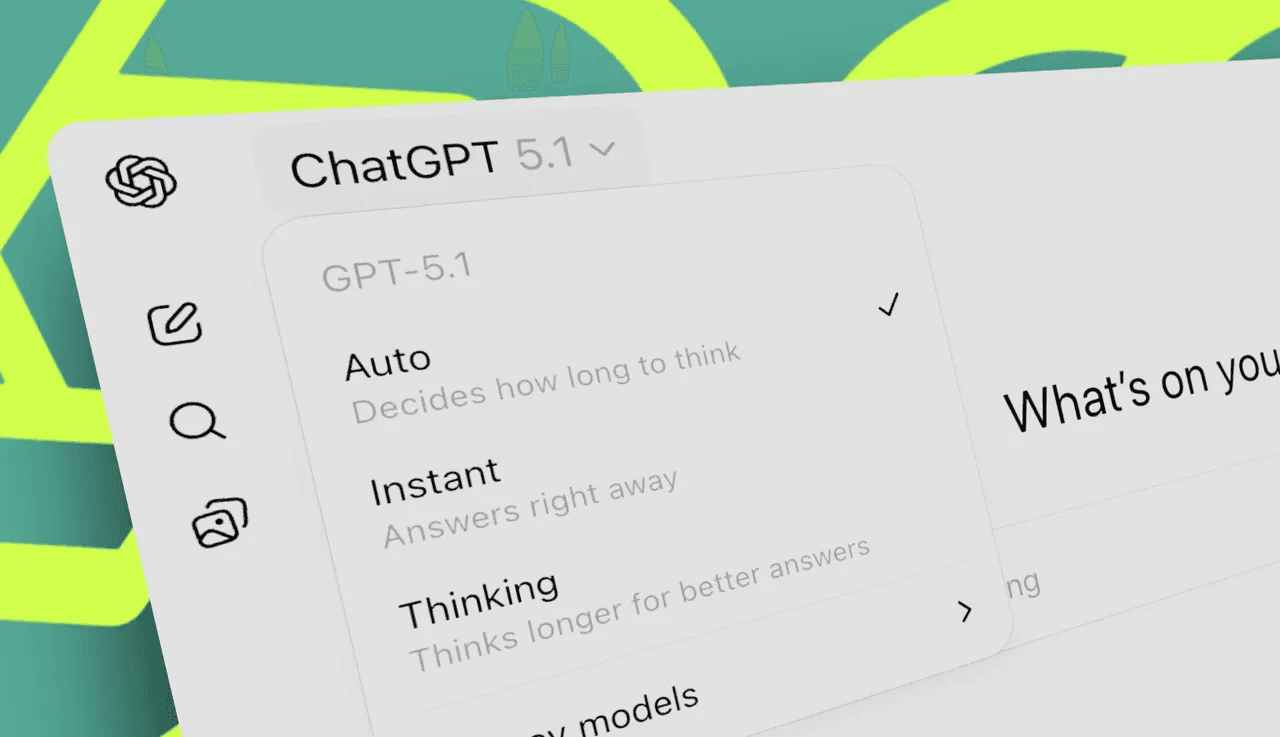
In August, OpenAI launched GPT-5 as a unified system combining a fast base model, a deeper “thinking” model, and an intelligent router that decides when to use each — followed by GPT-5.1 in November, which further refined reasoning and tone. (OpenAI)
Key advances:
Unified architecture: One system orchestrating fast responses and deep reasoning instead of separate products. (OpenAI)
Hallucination reduction: OpenAI and independent analyses reported ~45–80% fewer hallucinations versus earlier flagship models in certain modes and tasks. (The Register)
Enterprise-ready capabilities: Stronger coding, math, and multimodal performance, becoming the backbone for ChatGPT, Microsoft Copilot, and thousands of enterprise integrations. (OpenAI)
For the first time, AI began to feel reliable, capable, and operationally mature for complex, high-stakes use cases.
#3: AI Agents Go Operational — Not Experimental
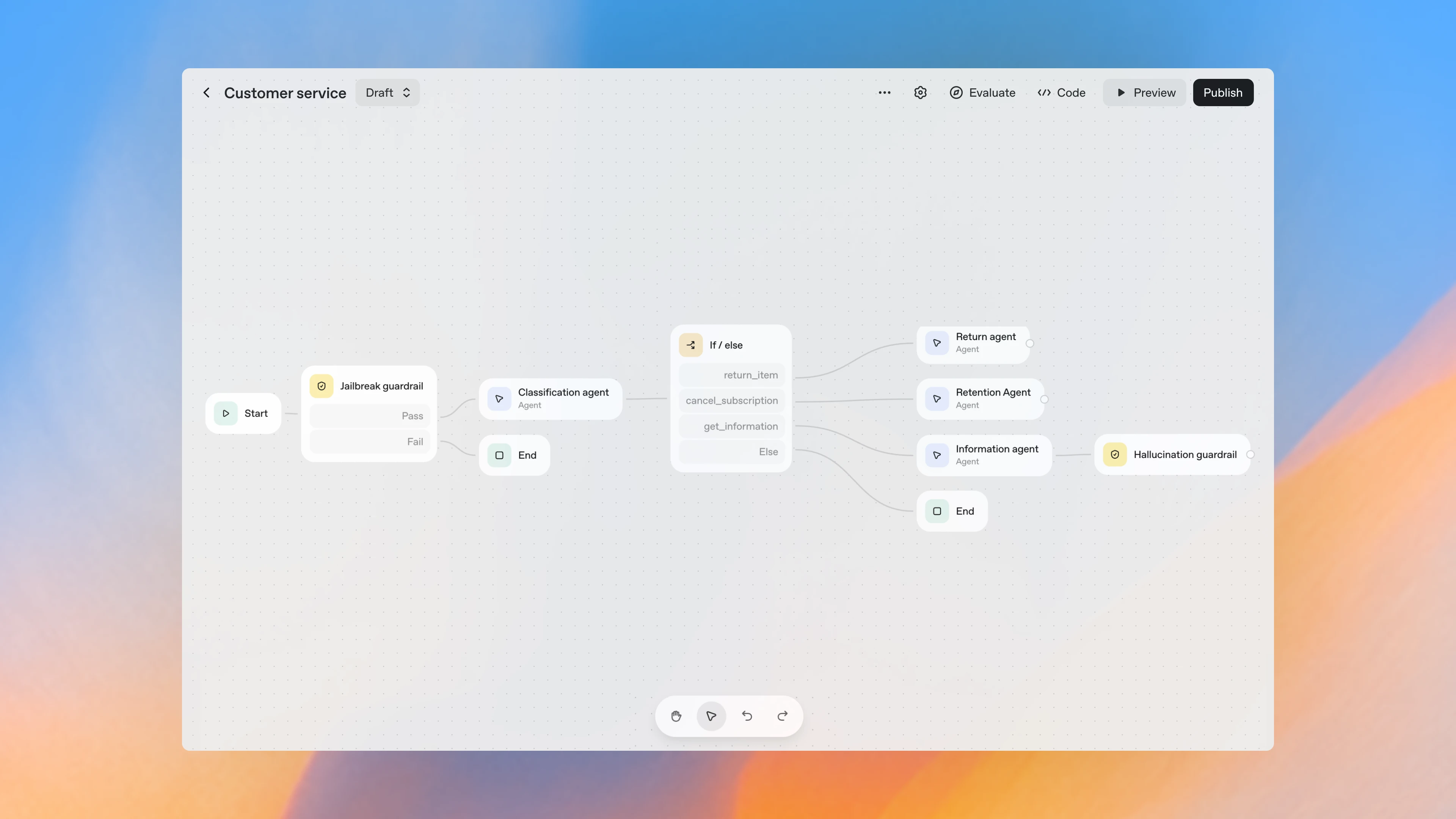
While 2023–2024 popularized the idea of AI agents, 2025 was the year they entered production at scale.
Across industries, organizations deployed AI agents as real teammates:
Support & CX: Agents summarizing cases, drafting responses, triaging tickets. (Skywork)
IT & internal ops: Agentic platforms automating 50%+ of IT tickets, HR and legal workflows, and employee requests. (Reuters)
Engineering: AI agents reviewing code, monitoring pipelines, and generating pull requests, embedded into developer workflows. (Reuters)
Analysts now forecast that 30% of repetitive knowledge work will be automated by AI agents by 2026, with potential productivity gains up to 40% when deeply embedded. (Wizr AI)
AI is no longer a tool.
It’s a team member.
And this will redefine organizational design in the coming decade.
#4: Stargate: The $500 Billion AI Infrastructure Project Reshaping America
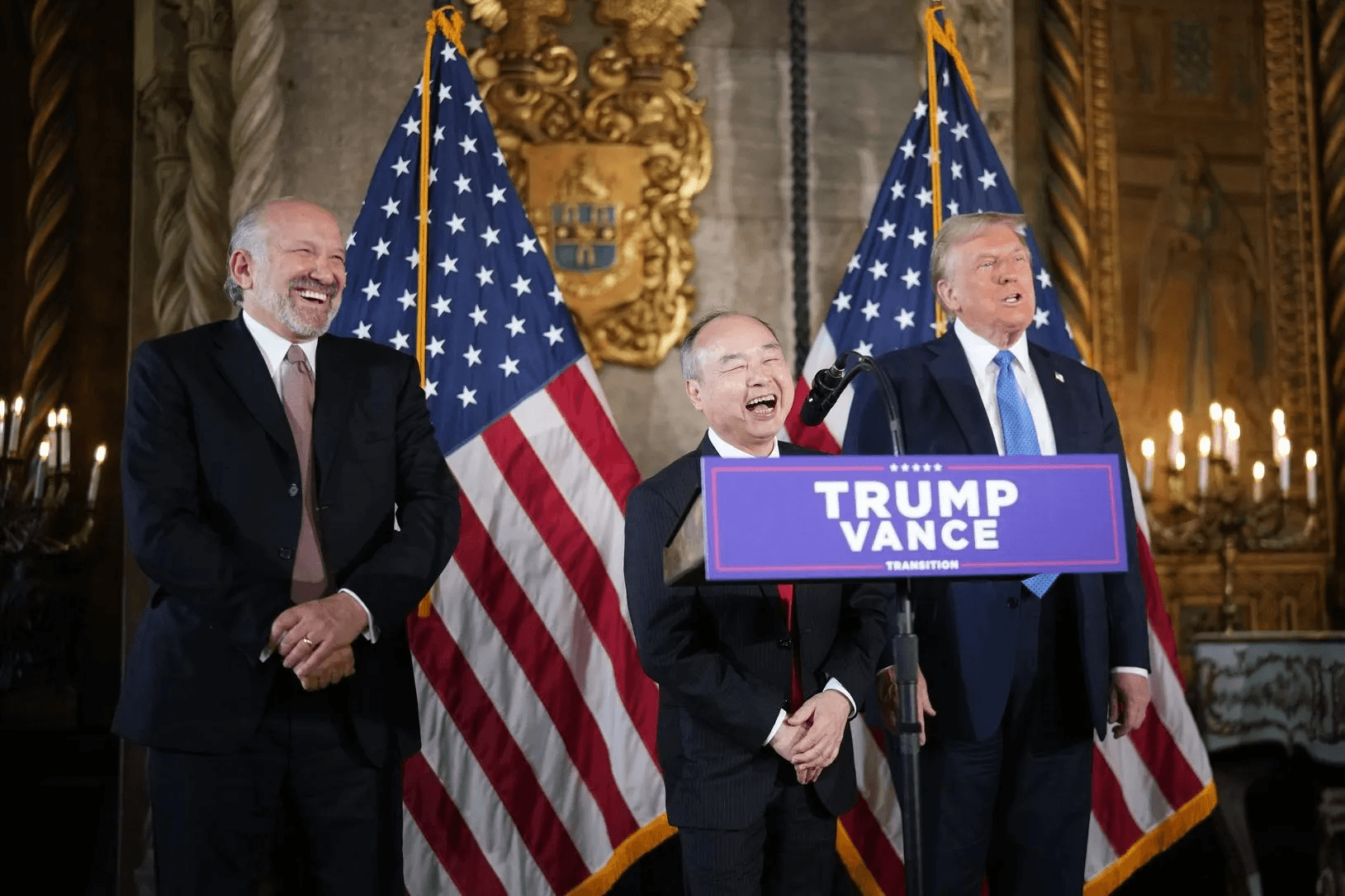
In January 2025, SoftBank, OpenAI, Oracle, and MGX announced Stargate, a new company planning to invest $500 billion over four years into AI infrastructure in the United States. (ソフトバンクグループ株式会社)
By late 2025:
OpenAI, Oracle and partners announced five new U.S. data centre sites, bringing Stargate to nearly 7 gigawatts of planned capacity. (OpenAI)
Total planned investment surpassed $400 billion, with additional funding being lined up. (OpenAI)
Stargate is not just a large capex program; it is a national AI strategy, signalling that compute capacity is now treated as a strategic asset on par with energy and transportation infrastructure.
#5: AI Infrastructure Powers the Economy
2025 economic data revealed a striking pattern: AI and data center investment are propping up U.S. growth.
Research from S&P Global and others indicates:
Data centres and AI-related investments accounted for roughly 80–90% of U.S. private demand growth in the first half of 2025. (News Release Archive)
Harvard economist Jason Furman highlighted that information-processing equipment and software made up just 4% of GDP but contributed the vast majority of GDP growth in that period. (The Economic Times)
Meanwhile, JPMorgan projects more than $5 trillion will be spent on global data centre and AI infrastructure over the next five years, reshaping power grids and capital markets. (Data Center Dynamics)
Data centres are becoming the factories of the AI economy, with deep implications for real estate, labour, and macroeconomic policy.
#6: Intelligence Becomes Abundant — AI Costs Collapse 280×
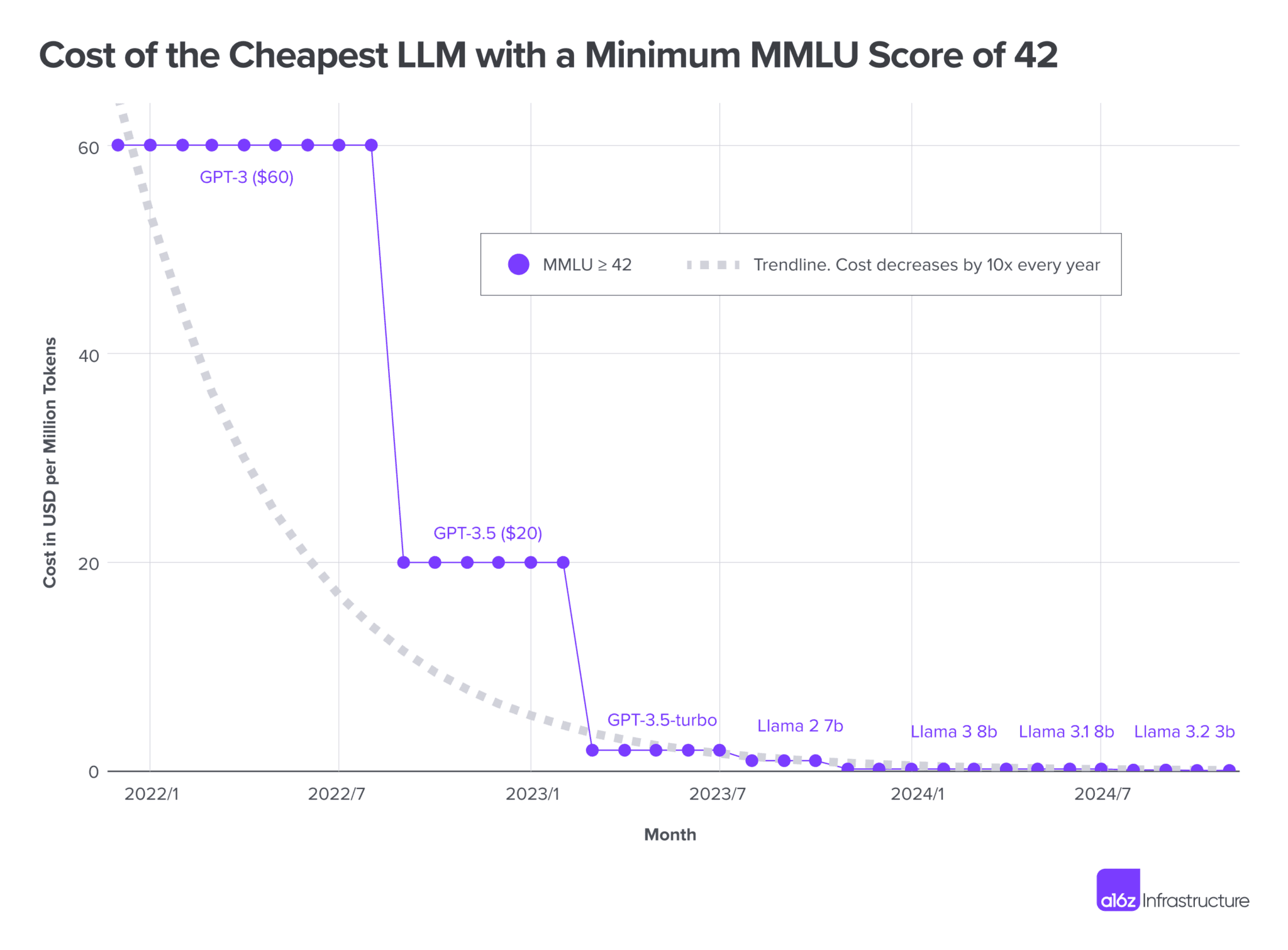
Between November 2022 and October 2024, the cost to generate one million tokens at GPT-3.5 quality fell from about $20 to $0.07 — a 280× reduction, according to the 2025 AI Index and independent analysts. (WisdomTree)
Broader analyses show:
For LLMs with equivalent performance, inference costs have been declining roughly 10× per year, leading to ~1000× lower per-token prices compared to early ChatGPT-era systems. (Andreessen Horowitz)
Open-weight models have rapidly closed the performance gap with proprietary models, in some benchmarks narrowing the difference to only a few percentage points. (Epoch AI)
When intelligence gets this cheap, it stops being a scarce resource.
AI becomes infrastructure — something you build on, not something you ration.
#7: The Paris AI Action Summit: €109B in Global Commitments
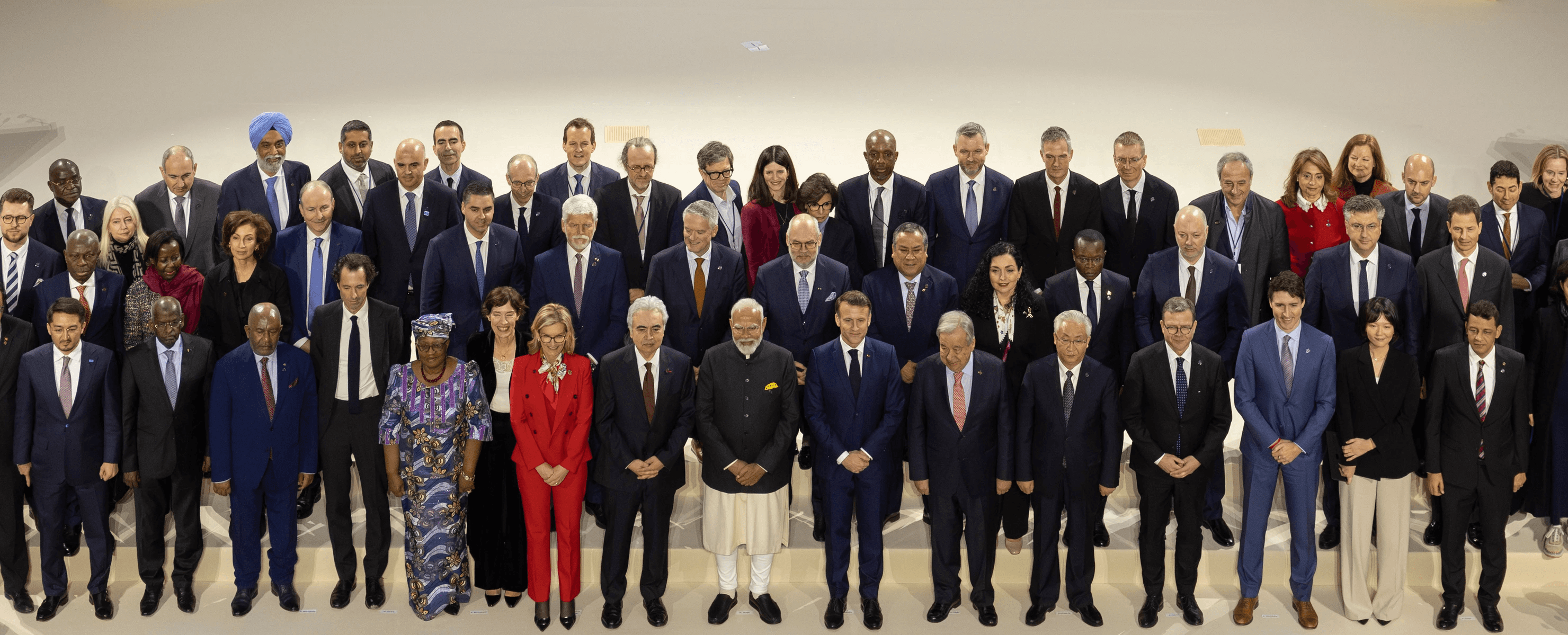
In February 2025, France hosted the AI Action Summit in Paris, bringing together leaders from more than 100 countries, major tech firms, and research institutions. (elysee.fr)
Key outcomes included:
French President Emmanuel Macron announcing €109 billion in AI-related investment commitments, largely from private actors but aligned with national and EU strategies. (Radio France Internationale)
The launch of initiatives such as InvestAI, aimed at mobilising up to €200 billion for AI infrastructure and innovation in Europe. (TechCrunch)
The summit formalised AI as a geopolitical and economic priority, not just a tech vertical — and set the stage for increasing coordination (and competition) between blocs.
#8: Disney Invests $1B in OpenAI + Licenses 200+ Characters to Sora

In December 2025, Disney announced a $1 billion investment in OpenAI and a three-year licensing deal allowing OpenAI’s tools — especially the Sora video generator and ChatGPT — to use over 200 characters from Disney, Pixar, Marvel, and Star Wars. (AP News)
Coverage from AP, The Guardian, Variety, and others highlights that:
Fans will be able to generate short videos and images featuring iconic characters like Mickey Mouse, Iron Man, and Darth Vader using Sora and ChatGPT. (The Verge)
Disney becomes OpenAI’s first major Hollywood licensing partner, while committing not to allow talent likenesses and voices in the deal to mitigate some labour and ethical concerns. (The Guardian)
This partnership is a cultural turning point: AI-generated video content moves squarely into the mainstream, and IP owners establish new norms for AI-era licensing.
TIME Names the “Architects of AI” as Person of the Year

TIME magazine named the “Architects of AI” as its 2025 Person of the Year, spotlighting the scientists, engineers, and executives building the AI ecosystem rather than the technology itself. (TIME)
Reports from TIME, AP, Reuters, and others emphasise that:
Figures from Nvidia, OpenAI, Anthropic, Meta, AMD, Tesla, DeepMind and leading academics were featured as emblematic of AI’s outsized impact on the economy and society. (TIME)
The coverage framed 2025 as the year AI’s future role in society became undeniable, while also surfacing concerns about misinformation, mental health, and inequality. (AP News)
This was a symbolic moment: AI creators became cultural protagonists, and AI itself became the story of the year.
AI at Work: 200,000+ Copilot Licenses Deployed
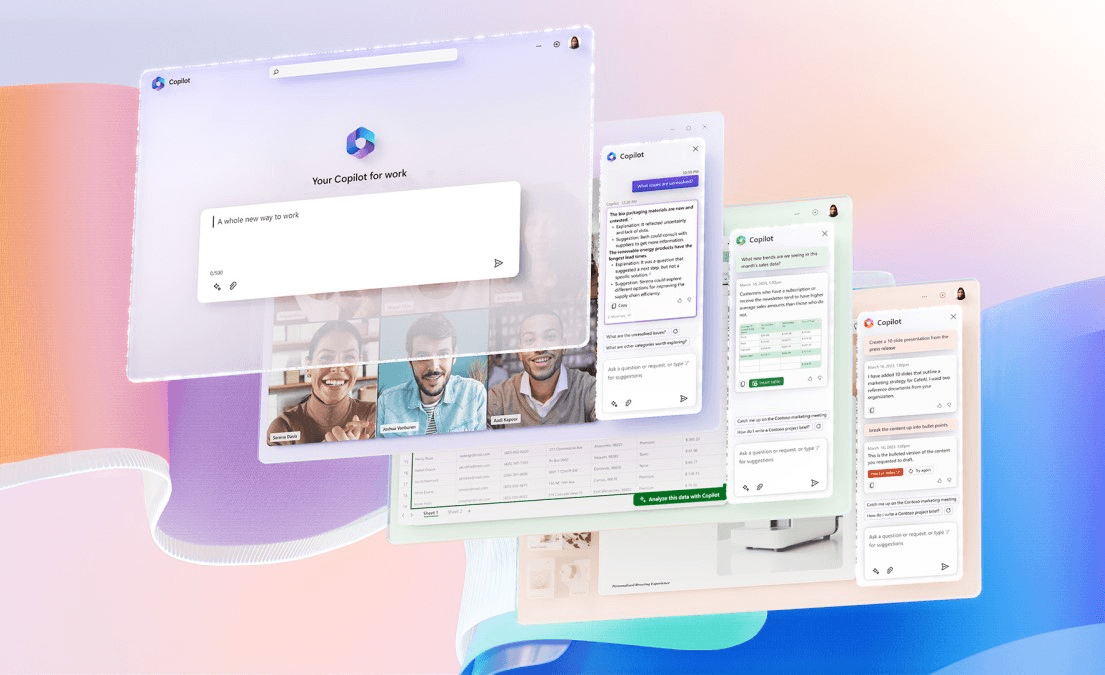
One of the clearest signals that AI has moved from hype to workflow was the announcement that Cognizant, Infosys, TCS, and Wipro plan to deploy over 200,000 Microsoft Copilot licenses between them, with each committing to more than 50,000 seats. (The Times of India)
This move builds on:
Broader data from Microsoft showing that a large majority of Fortune 500 companies are already using Copilot and Azure OpenAI services in production. (Source)
Massive upskilling efforts, like Wipro training 200,000 employees on generative AI principles as part of its billion-dollar AI investment. (Microsoft)
This is the first truly workforce-scale demonstration of AI-augmented work — a preview of how roles, skills, and productivity metrics will evolve across the global economy.
What 2025 Means for Enterprises in 2026 and Beyond
Three themes emerged across every major development:
1. AI is an economic engine, not a tech feature
With infrastructure driving GDP growth and trillions in projected global investment, AI now underpins productivity and capital allocation. (TechSpot)
2. Organizations that operationalize AI agents will win
Case studies across support, IT, and operations already demonstrate strong ROI when agents are embedded into workflows. (Skywork)
3. The cost of intelligence is collapsing — innovation is exploding
As inference costs plunge and open models rival proprietary ones, innovation is no longer reserved for hyperscalers. (Epoch AI)
When AI becomes this cheap, this powerful, and this integrated, every enterprise becomes an AI enterprise.

TribalScale’s Perspective: Building for an AI-Native Future
At TribalScale, we help enterprises move from AI experimentation to AI-operational excellence — building scalable systems, AI-augmented workflows, and next-generation digital products.
2025 wasn’t the year AI became impressive. It was the year AI became inevitable.
And the organizations that embrace this shift now will define the decade ahead.